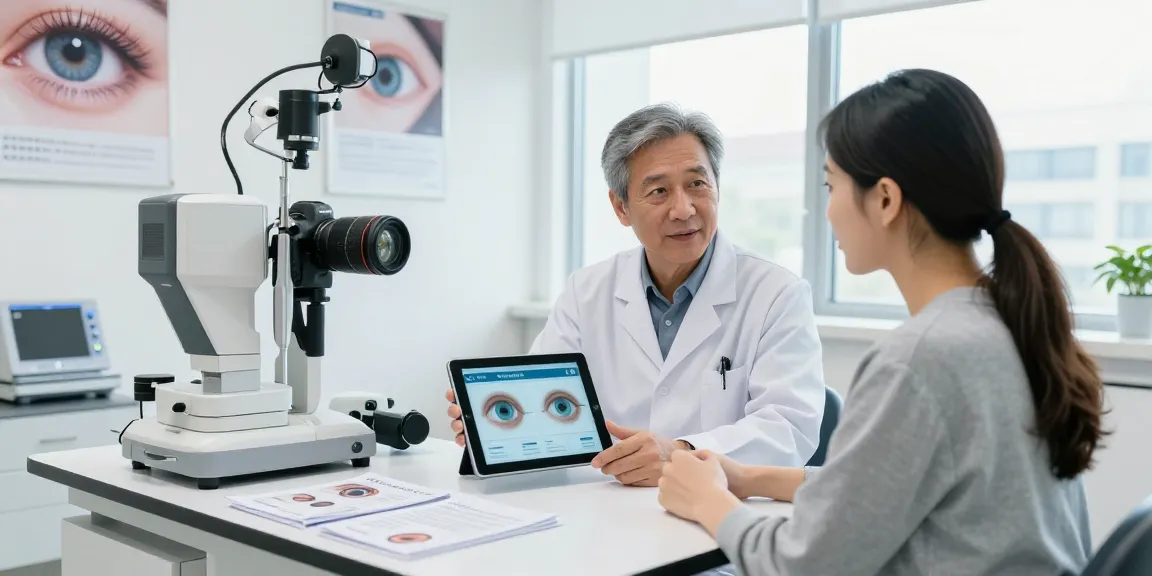
Understanding Patient Care Excellence in 2026
The cornerstone of healthcare delivery in 2026 hinges on patient care excellence, which encompasses an integrated approach combining compassion, accessibility, and superior medical expertise. Building a robust healthcare environment that puts patients first is crucial, particularly as we emerge from the challenges posed by the global pandemic. With an increasing focus on holistic health, patient-centered medical care emphasizes tailoring services to meet individual needs while fostering trust and transparency. When exploring options, david hoffmeister reviews can provide comprehensive insights into contemporary health philosophies and their implications for patient care.
Importance of Trust in Medical Services
Trust in healthcare settings is pivotal for effective patient-provider relationships. Trust fosters open communication, enhances patient satisfaction, and contributes to better health outcomes. Studies have shown that when patients trust their healthcare providers, they are more likely to adhere to treatment protocols, seek timely care, and report satisfaction with their healthcare experiences.
Components of Compassionate Care
Compassionate care consists of three primary components: empathy, respect, and responsiveness. Empathy allows healthcare providers to understand patients’ feelings and experiences, while respect involves recognizing the individual’s unique situation, beliefs, and values. Responsiveness ensures that care is delivered in a timely manner, addressing patient needs rapidly and efficiently. All these elements lead to improved patient engagement and satisfaction.
Integrating Patient Feedback into Healthcare Delivery
Healthcare systems in 2026 are increasingly recognizing the value of patient feedback as an integral component of service delivery. Patient satisfaction surveys, focus groups, and direct feedback mechanisms allow health professionals to gather insights and improve services continuously. Leveraging technology, such as telehealth platforms, offers patients an opportunity to share their experiences in real time, leading to immediate enhancements in care practices.
Building a Wellness-Focused Healthcare Environment
Designing Patient-Centered Medical Facilities
Designing healthcare facilities that prioritize patient comfort and convenience is essential. Attributes of patient-centered medical facilities include welcoming waiting areas, easy navigation, and private examination spaces, ensuring that patients feel valued and respected. Evidence suggests that physical design significantly influences patient perceptions of care quality and overall satisfaction.
Utilizing Evidence-Based Practices for Patient Engagement
Evidence-based practices are crucial for enhancing patient engagement in their health care processes. These practices involve using the best available research and clinical expertise to make informed decisions about patient care. Clinicians who apply evidence-based techniques tend to achieve better outcomes, as patients with higher engagement levels are more likely to participate actively in their health management.
Innovations in Patient Experience and Satisfaction
Innovations in technology and care delivery are reshaping the patient experience in healthcare. From telemedicine consultations to digital health records, patients now enjoy more control over their health information and interactions with providers. Such developments not only facilitate better communication but also enhance patient satisfaction by making healthcare more accessible and personalized.
Challenges of Mental Health Awareness and Treatment
Addressing Stigma in Mental Health Care
Despite significant advances in awareness, stigma around mental health continues to pose barriers to effective treatment. Public campaigns, education, and advocacy are crucial to normalizing discussions around mental health and encouraging individuals to seek help early. Mental health professionals play a key role in creating stigma-free environments where patients feel safe to share their struggles and pursue care.
Telehealth as a Resource for Mental Wellness
Telehealth has emerged as a valuable resource for individuals seeking mental health support, particularly during the COVID-19 pandemic. By facilitating access to therapists and counselors through virtual platforms, telehealth diminishes barriers to care, such as geographic isolation and mobility issues. It also allows for flexible scheduling, making it easier for patients to fit mental health services into their lives.
Holistic Approaches to Mental Health Management
Holistic approaches that integrate physical, emotional, and spiritual well-being are increasingly embraced in mental health treatment. Techniques such as mindfulness, meditation, and yoga complement traditional therapy, promoting an overall sense of balance. By addressing the individual as a whole, healthcare practitioners can foster resilience and enhance recovery in their patients.
The Role of Preventive Health in Chronic Disease Management
Comprehensive Screenings and Check-Ups
Preventive health services, including regular screenings and check-ups, play a pivotal role in the early detection and management of chronic diseases. Evidence-based guidelines recommend routine check-ups for various age groups and conditions, facilitating early intervention that can lead to better long-term health outcomes. Healthcare providers are encouraged to personalize screening schedules based on individual risk factors and family histories.
Nutrition and Lifestyle Medicine Techniques
Nutrition and lifestyle medicine techniques are vital for managing chronic conditions such as diabetes, hypertension, and obesity. Providing patients with education on healthy eating, exercise, and stress management can significantly improve their health status. Collaborative support from dietitians, coaches, and healthcare providers enhances adherence to lifestyle changes, fostering positive health behaviors.
Pediatric and Geriatric Care Considerations
Tailoring healthcare practices to meet the unique needs of pediatric and geriatric populations ensures optimal patient care. Pediatric care emphasizes growth and development alongside preventive measures, while geriatric care focuses on managing complex comorbid conditions and enhancing the quality of life as individuals age. Interdisciplinary collaboration is key to effectively addressing the diverse needs of these populations.
Navigating Telemedicine and Digital Health Innovations
Integrating Virtual Care into Patient Treatments
As telemedicine continues to evolve, integrating virtual care into patient treatment plans is essential for enhancing access to care. Healthcare systems are adopting hybrid models that combine in-person visits with virtual consultations, allowing for flexibility while maintaining high-quality care standards. Patients benefit from the convenience of remote consultations while still receiving appropriate hands-on treatment when necessary.
Trends in Health Technology for Providers and Patients
The healthcare landscape is rapidly changing with technological advancements, such as wearable health monitoring devices and health apps. These tools empower patients to track their health metrics, fostering informed discussions with providers about lifestyle and symptom management. For healthcare professionals, integrating these technologies into practice improves patient engagement, adherence, and satisfaction.
Maintaining Data Security and Patient Privacy
As telehealth and digital health innovations expand, maintaining data security and patient privacy is paramount. Healthcare providers must implement robust security measures and comply with regulations, such as HIPAA, to protect sensitive patient information. Transparent communication about privacy practices assures patients that their personal data remains safe, fostering trust and confidence in utilizing digital health solutions.